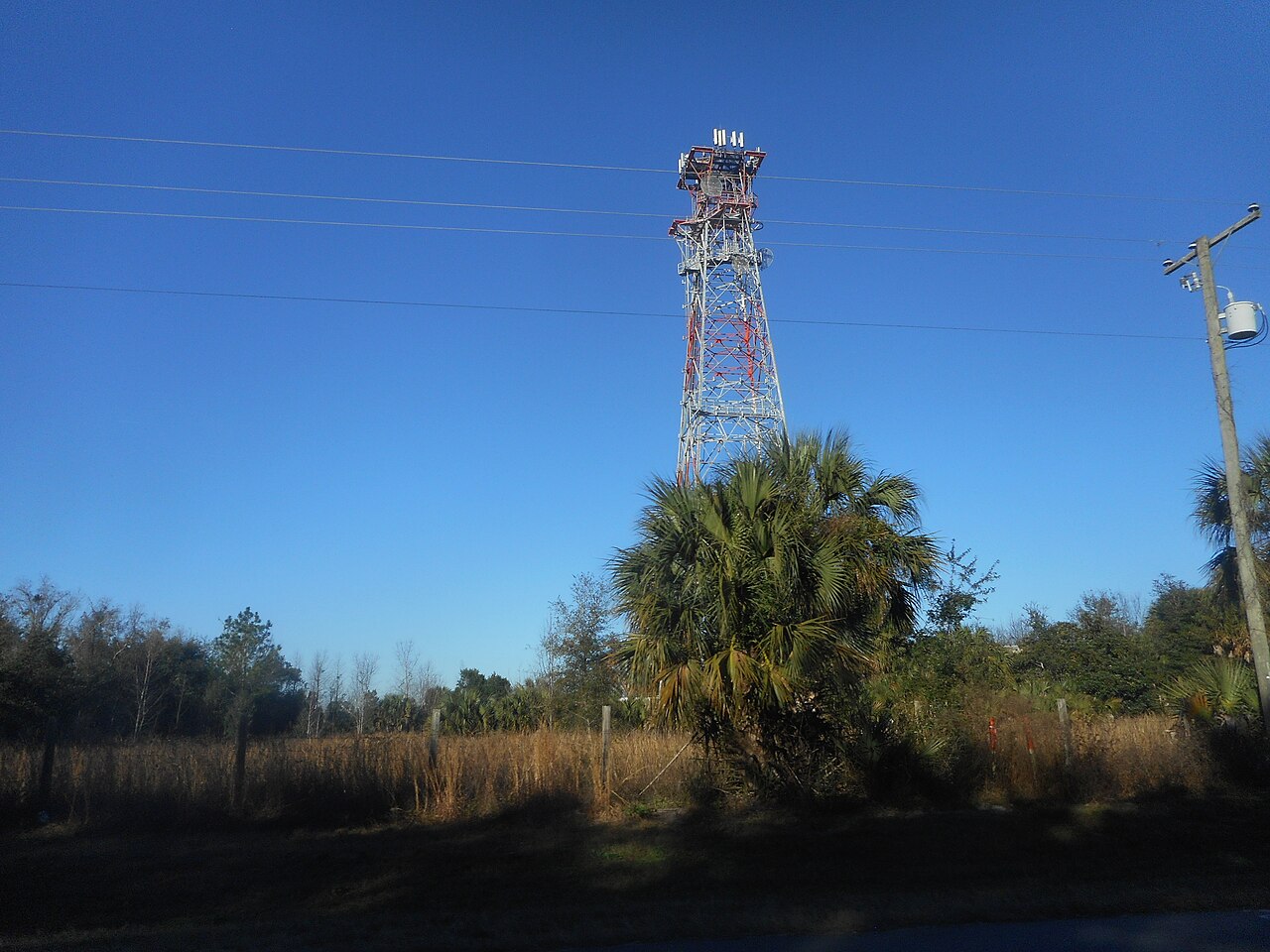
A farmhouse four kilometres from the exchange gets eight megabits down and half a megabit up, on a line that has been the only option for a decade. The village a mile away has fiber. The difference is not demand, population or politics in the narrow sense: it is the cost of a trench.
Rural connectivity is a subject where the technical options are well understood and the economics decide everything. Knowing what is available, what it can deliver and what it costs is the practical starting point.
Why is fiber expensive in the countryside?
Because the cost per property is driven by distance and density. A trench serving forty houses costs a fraction per house of a trench serving one, and the rural case often requires several kilometres for a handful of premises. The economics improve only with subsidy or with a different technology.
That is the whole explanation, and it is why rural rollout follows funding rounds rather than demand. The network is not avoiding the countryside, it is allocating capital where the cost per connection is lowest.
What is fixed wireless?
A radio link from a mast to a small dish or antenna on the property, with the mast connected to a fiber backbone. It avoids the trench, which makes it far cheaper to deploy, and it depends on line of sight between the property and the mast.
Where the sight line is clear and the mast has capacity, the service can be excellent. Where trees, hills or buildings intervene, it degrades in ways that are difficult to fix.
What speeds does it deliver?
Commonly between thirty and a hundred and fifty megabits, with newer systems reaching higher. Latency is usually low enough for calls, because the radio path is short compared with satellite. Upload is often a more generous fraction of download than copper provides.
The figures vary widely by operator and by distance, so the only meaningful check is a survey at the address. Published coverage is a starting point rather than an answer.
What does a survey involve?
A visit to test the sight line and the signal, usually with a temporary dish and a meter. The engineer confirms whether the link is viable and which mast it would use. Where it is viable, an install follows; where it is not, the operator usually suggests an alternative or declines.
The survey is the decision point, and it should precede a contract. An operator that will not survey is one to avoid.
What about trees?
They are the most common cause of failure and the most common cause of seasonal degradation. A signal that works in March can fail in June when the canopy fills, and a deciduous tree in the path is a permanent uncertainty rather than a temporary obstacle.
Trimming helps and is the customer’s responsibility in most agreements. Where a tree belongs to a third party, the options narrow considerably.
How does weather affect it?
Heavy rain can reduce signal, particularly on higher frequencies, and wind can misalign a dish that was not secured properly. The effects are usually modest and occasionally severe during a storm.
A well-installed dish on a solid mount is the mitigation. Maintenance visits are rare and mostly relate to alignment after high winds.
Is satellite an alternative?
Yes, and it has improved enormously with low-earth-orbit systems. Latency is now good enough for calls, throughput is respectable, and the equipment is a one-off purchase plus a monthly fee. The constraints are cost, the need for a clear view of the sky, and capacity in a given cell.
For a remote property with no sight line to a mast, satellite is frequently the best remaining option. For a property with a good fixed wireless option, it is usually more expensive for similar performance.
What about mobile broadband?
Increasingly viable where the local cell has capacity, and increasingly unpredictable for the same reason. A router with an external antenna can deliver a good service at a fraction of the cost of a fixed line, provided the cell is not congested in the evening.
Testing with a borrowed router for a week is the only reliable method. A phone showing five bars can still deliver two megabits when the cell is busy.
Do rural schemes help?
Yes, where they exist. Subsidy programmes, community schemes and voucher funding have connected large numbers of rural properties, and the schemes usually have a register of interest. Being on the register matters when the funding round is allocated.
The application process is usually straightforward and occasionally requires a group of properties rather than one. A community group is the most effective vehicle.
Can a community build its own network?
It happens, particularly where no commercial operator will serve the area. Community networks are usually small, cooperative and slow to build, and they solve the problem permanently where they succeed. The effort is substantial.
The model is worth knowing about because it changes the conversation with operators. A community with a plan is treated as a commercial partner rather than a complaint.
What is the practical comparison?
Four options, each with a coverage check: fiber if it exists, fixed wireless if there is a sight line, satellite if there is sky, mobile if the cell is capable. Prices and performance vary enough that the cheapest is rarely obvious without a survey.
A table with one row per option and columns for speed, latency, install cost and monthly cost is enough. Most rural households end up choosing between two of the four.
How reliable is fixed wireless in winter?
Generally reliable, with occasional weather-related degradation and the alignment issue after gales. The technology has no moving parts at the property apart from the mount, and the radio equipment is solid state.
Power is the more common failure. A property that loses electricity loses the link, which is worth knowing for anyone with a dependency on connectivity.
What should be in an agreement?
The expected speed, the remedy if it is not delivered, the survey result, the equipment ownership, and the terms for removing the dish at the end. Fixed wireless agreements are sometimes less standard than fixed line contracts, so the specifics matter more.
Ask for the survey findings in writing. Where the link depends on a specific mast and a specific sight line, the assumptions are part of what is being sold.
What about installation costs?
Often a one-off fee covering the dish, the mount and the install, sometimes waived on a longer term. Rural installs can be more expensive because access is harder and the run may be longer.
Comparing the total first-year cost rather than the monthly fee is the fair comparison. A waived install is worth more than a small monthly discount.
Does the technology improve over time?
Yes, steadily. Radio equipment improves, mast capacity increases, and the same link can carry more as the operator upgrades. Unlike a copper line, a wireless link can improve without any work at the property.
That is a genuine advantage in an area where fiber may arrive in five years or never. The wireless service can evolve while the household waits.
What is the realistic expectation for a rural property?
Adequate rather than spectacular, and stable if the installation is done well. The gap with urban fiber is real and closing slowly, and the practical approach is to secure the best available option and revisit it every couple of years.
Revisiting matters because rural coverage changes. A mast that was installed last year can transform an address that had nothing, and the household that checks annually catches it before the waiting list forms.
What does a fixed wireless agreement usually include?
The surveyed speed, the equipment, the mast in use and the terms for removal at the end. Some agreements include a minimum term of twelve or twenty-four months, and some include a relocation clause if the mast changes.
Reading the removal clause matters more than it seems. A dish left on a wall after a contract ends is an item a landlord may charge for, and the obligation is often the customer’s.
How does fixed wireless handle a growing household?
Less gracefully than fiber. The link has a capacity ceiling that does not move when the household adds devices, so an upgrade means a new plan or a new radio. Where the mast is shared, evening performance depends on the neighbours as much as on the plan.
A household planning to add two workers and three children should ask about the mast’s contention before signing. The answer is sometimes an honest one, and it is more useful than a coverage map.
Distance is the whole problem and technology is the workaround, and neither is permanent. If you were four kilometres from the exchange, which of the four options would you test first?