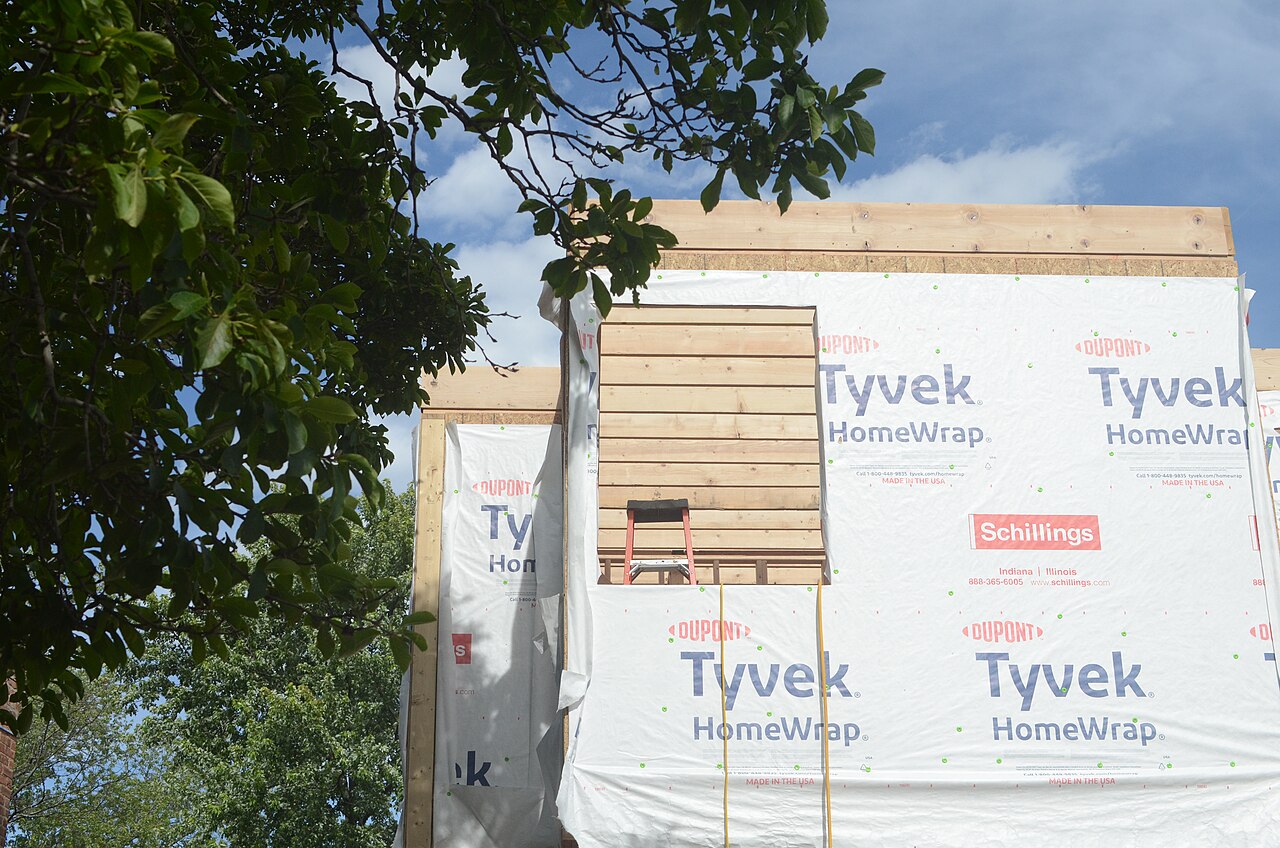
A family moves into a house that was completed three weeks earlier. Every utility is connected except one: the broadband, which cannot be ordered because the address does not appear in any provider’s system. The postcode exists, the street name exists, and the house does not.
New properties sit at the intersection of two slow processes, construction and records, and the gap between them is measured in weeks or months. Understanding the sequence makes it possible to shorten it.
Why is the address missing?
Because the national address database is updated by the local authority, and the update often happens after occupation. Providers and networks draw their coverage data from that database, so a house that is physically finished can be administratively invisible.
The gap is not a conspiracy, it is a queue. The queue can be joined, and the joining is done by the developer, the authority and occasionally the resident.
What should the developer have arranged?
In many markets, a developer is expected to register the new addresses and to arrange network connections as part of the build. Where they have, the property is connected before completion and the resident simply orders a service.
Where they have not, the resident inherits a project. Asking the developer in writing which network was contracted, and for the reference, is the first step rather than the last.
How long does a first connection take?
Longer than a standard install. A new property may need a survey, a duct to be confirmed, a cable to be pulled and a termination point to be fitted. Where the duct does not exist, the process involves excavation and permissions.
Realistic expectations are measured in weeks, occasionally months. A household planning a move should start the enquiry before completion rather than after.
Can a resident register the address themselves?
In some markets, yes, through the local authority’s address service or the national database’s amendment process. The request is usually a form with the plot number, the postcode and proof of occupation.
It is slow and it works. A resident who registers the address is doing the developer’s job, and the alternative is waiting for someone else to do it.
What about a plot number versus a house number?
During construction the property is known by a plot number, which is not the address that will be used for services. A provider searching the plot number may find nothing, while searching the street and postcode may find the development.
Supplying both, with a description of the position, is the practical way to be found. A photograph of the house and the street helps more than it should.
Does the network exist on the estate?
Usually yes if the developer contracted one, and the question is which. Estates are frequently wired by a single network under an exclusivity agreement, which means the resident has one choice at the start and possibly for years.
That arrangement is disclosed in the purchase documents and rarely read. It determines both the available provider and the price.
What if the estate has no network?
Then the options are the same as for any unserved property: fixed wireless, satellite or mobile, until a network builds. Some developers leave the connection to the buyer, which produces exactly this situation.
Raising it with the developer before completion is far more effective than raising it afterwards. A commitment made during the sale is worth more than a complaint after it.
What is a wayleave in this context?
An agreement allowing a network to install and maintain equipment on land it does not own. Estates often need one for the duct that serves several properties, and its absence can stall connection for the whole street.
Where a wayleave is missing, the network cannot proceed however willing it is. That is worth knowing before concluding that nobody cares.
How does a new build affect the contract?
A first connection may be treated as a new line with a new line charge, a longer minimum term or an installation fee. The promotional offers available to a switching customer are sometimes not available to a first connection.
Reading the order confirmation for the words new line or provisioning makes the difference visible. Where a charge is applied for something the developer should have arranged, it is worth querying.
Can the resident claim against the developer?
Sometimes, where the connection was a contractual commitment and was not delivered. That is a legal question rather than a broadband one, and the practical route is a written complaint to the developer citing the relevant clause of the purchase agreement.
Most developers respond to a documented commitment. Few respond to a general complaint about inconvenience.
What about a self-build?
The owner is the developer, which means the responsibility for registering the address and arranging the connection is theirs. Starting the conversation with a network before the walls are up is dramatically cheaper than starting it after.
A duct laid during construction costs a fraction of one excavated later. That single decision determines whether the property has fiber in its first year or its fifth.
How does the postcode get assigned?
By the postal service, on request from the developer or the authority. A new street may have no postcode for some weeks after completion, which blocks almost every ordering system, because the postcode is the key that most databases use.
Where the postcode is missing, nothing else can proceed. Chasing the postal service is unglamorous and it is the critical path.
What should a buyer check before completion?
Which network serves the property, whether the address is registered, whether the duct is in place, and what the connection will cost. Four questions to the developer, in writing, before the money moves.
The answers are usually available and rarely offered. A buyer who asks gets a connection date; one who does not gets a project.
Is the situation improving?
Slowly. Some markets now require developers to arrange connections as a planning condition, and some networks work directly with builders. The improvement is uneven and depends on local rules.
Where the requirement exists, the resident’s position is much stronger. Where it does not, the buyer’s own diligence is the only protection.
What about the interim period?
Mobile broadband with an external antenna is the usual stopgap, and it can be adequate for months. A household should budget for it rather than assume the fiber will arrive on schedule.
The stopgap also provides a useful comparison. A household that has lived on mobile for two months knows exactly what it needs from the fixed line when it arrives.
What is the single most useful document?
The developer’s written confirmation of which network serves the address, with a reference number. That reference is what every subsequent conversation needs, and without it each call starts from the beginning.
Asking for it during the sale is easy. Asking for it six months later, from a customer service desk that has never heard of the development, is not.
What is the realistic timeline?
Where the network is in place: two to four weeks from a successful order. Where the address is unregistered: four to twelve weeks. Where a duct or a wayleave is missing: months, and occasionally longer than the owner keeps the house.
That range is wide enough that a household should plan around it rather than hope. A move-in date is a poor predictor of a connection date.
Can a temporary connection be arranged during construction?
Sometimes, through a site office connection or a mobile router, which is enough for a builder but rarely for a family. The practical interim is a mobile service at the address, tested before the move rather than after.
Budgeting for that interim is the realistic approach. A first connection is a project, and projects have a schedule that the buyer does not control.
What does the network need from the owner?
Access, a route and a signature. The route is often the difficulty: a duct from the street to the property may need to cross a verge, a shared drive or a neighbour’s land, and each of those needs an agreement. A cooperative owner speeds this up considerably.
Where the property is a rental, the landlord’s signature is the one that matters. Starting that conversation early prevents a surveyor arriving to find nobody able to authorise the work.
A new house is a physical fact and an administrative absence at the same time, and only one of those can be fixed with a form. If you were buying a new build tomorrow, when would you first ask about the network?